
Expertise
About Impregnation
What's Impregnation?
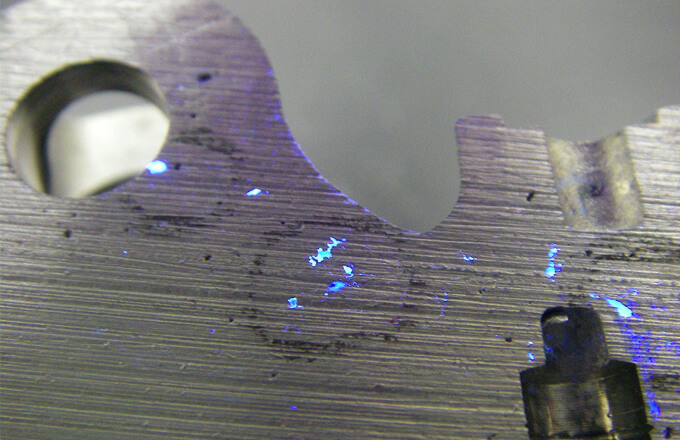
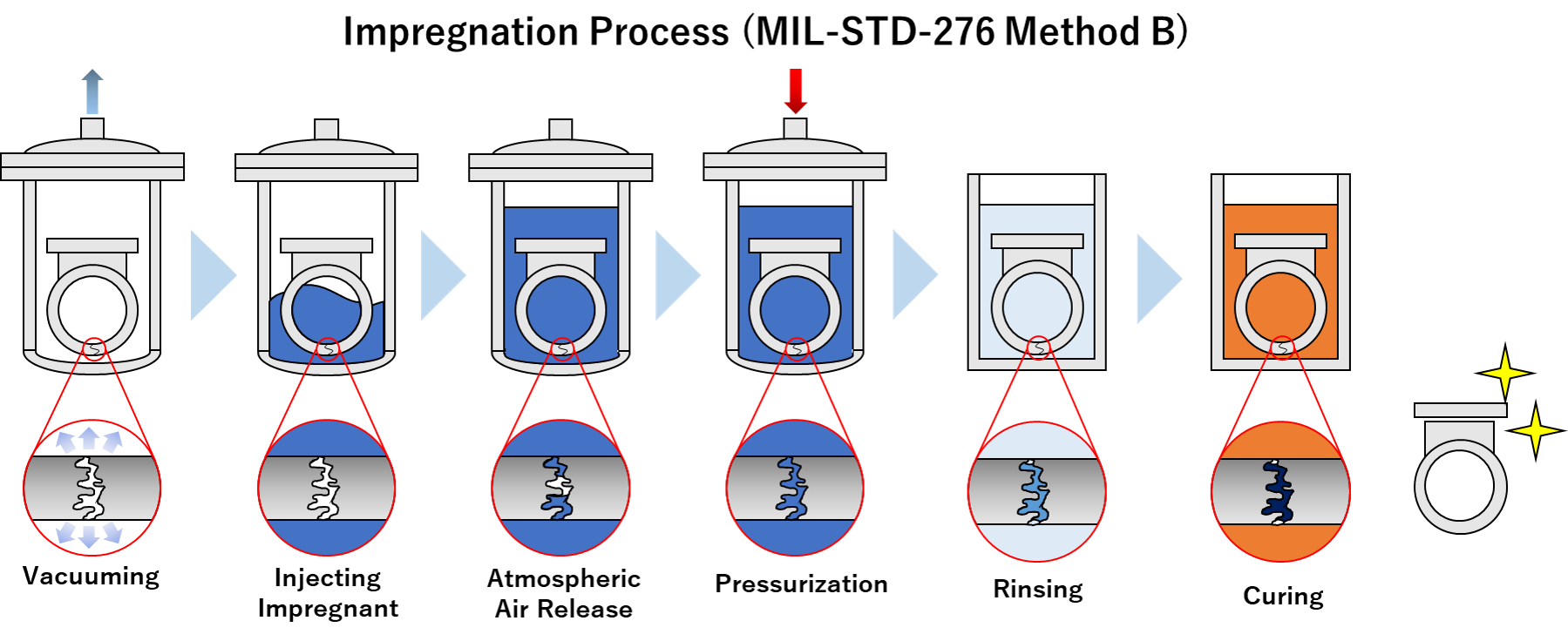
Impregnation is a process in which a special chemical agent is infiltrated into a porous material to impart new functional properties.At our company, we impregnate porous areas of metal castings, powder metallurgy parts, ceramics, and resins with a high-quality impregnating agent certified to MIL-I-17563C, achieving a sealing effect close to 100%.
New Technology
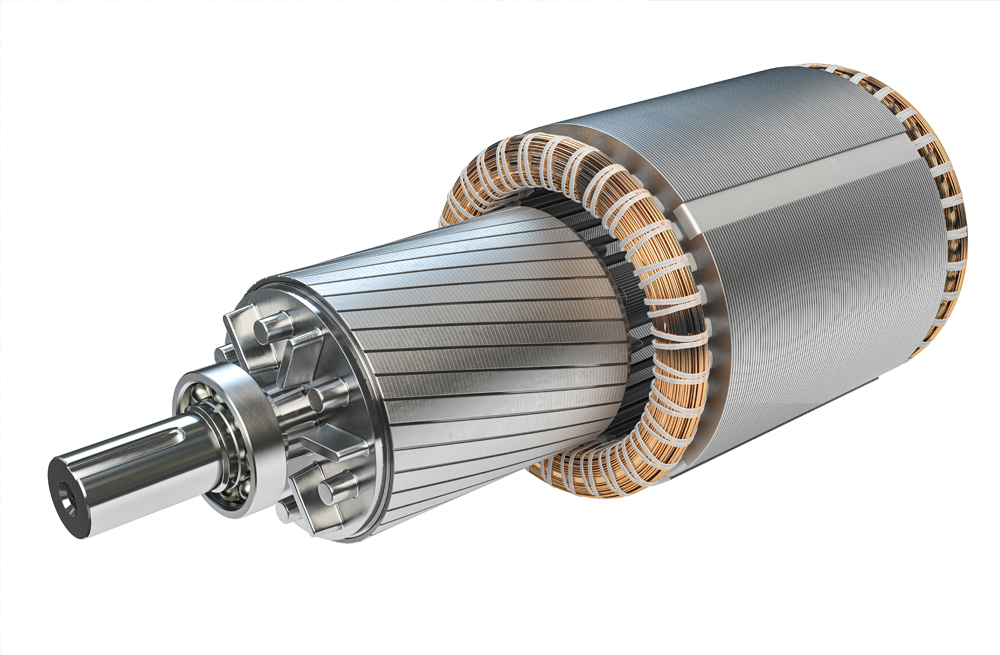
Impregnation for a laminate core
We have developed a new impregnating agent that uniformly penetrates the gaps of laminated motor cores in a single process, providing high adhesion and excellent electrical insulation.As demand for high-efficiency motors continues to grow, we support advanced motor development through our impregnation technology.
Impregnation for a new material
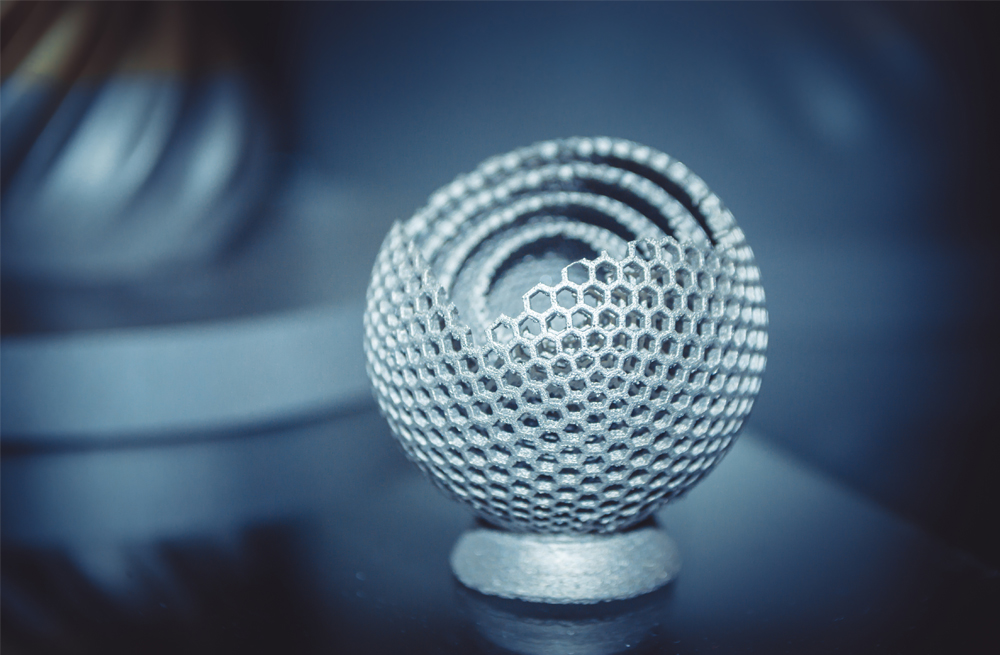
The advent of new materials such as those used in 3D printing has led to the formation of microscopic voids in powder molding. To address this, we have developed an impregnation that enhances sealing performance and safety.
Toward a sustainable society
We are working toward a sustainable future by pursuing the development of carbon-neutral impregnation agents. By utilizing biomass-based materials and eliminating environmentally harmful substances, we aim to deliver ecofriendly products that contribute to a healthier planet.

The Necessity of Impregnation
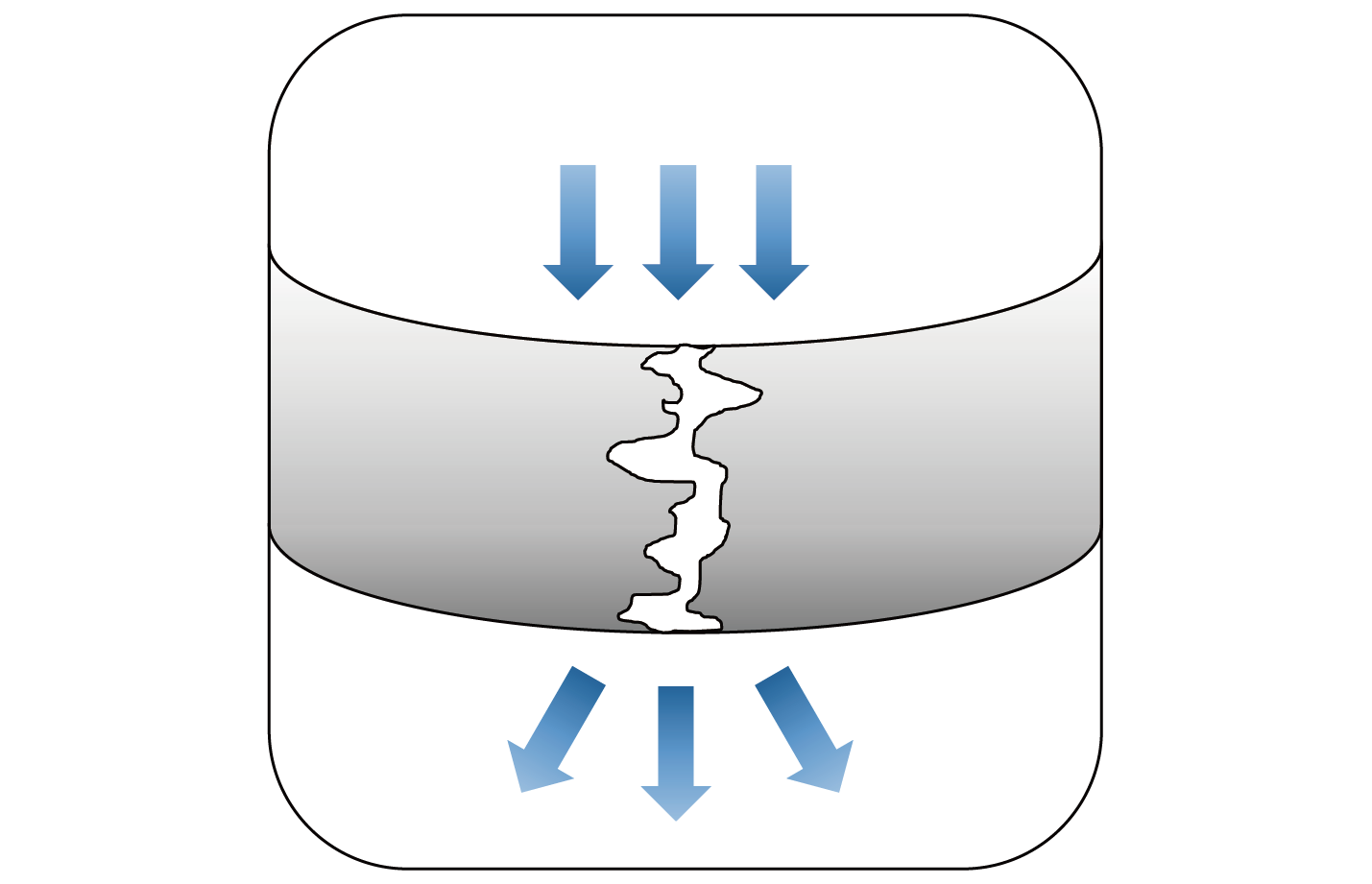
1.Typical porosity
This represents a typical state of porosity. In this condition, the material may not withstand the pressure of liquid injection, potentially leading to defects.Specifically, issues such as clouding, blistering, or peeling of plating or coating may occur.
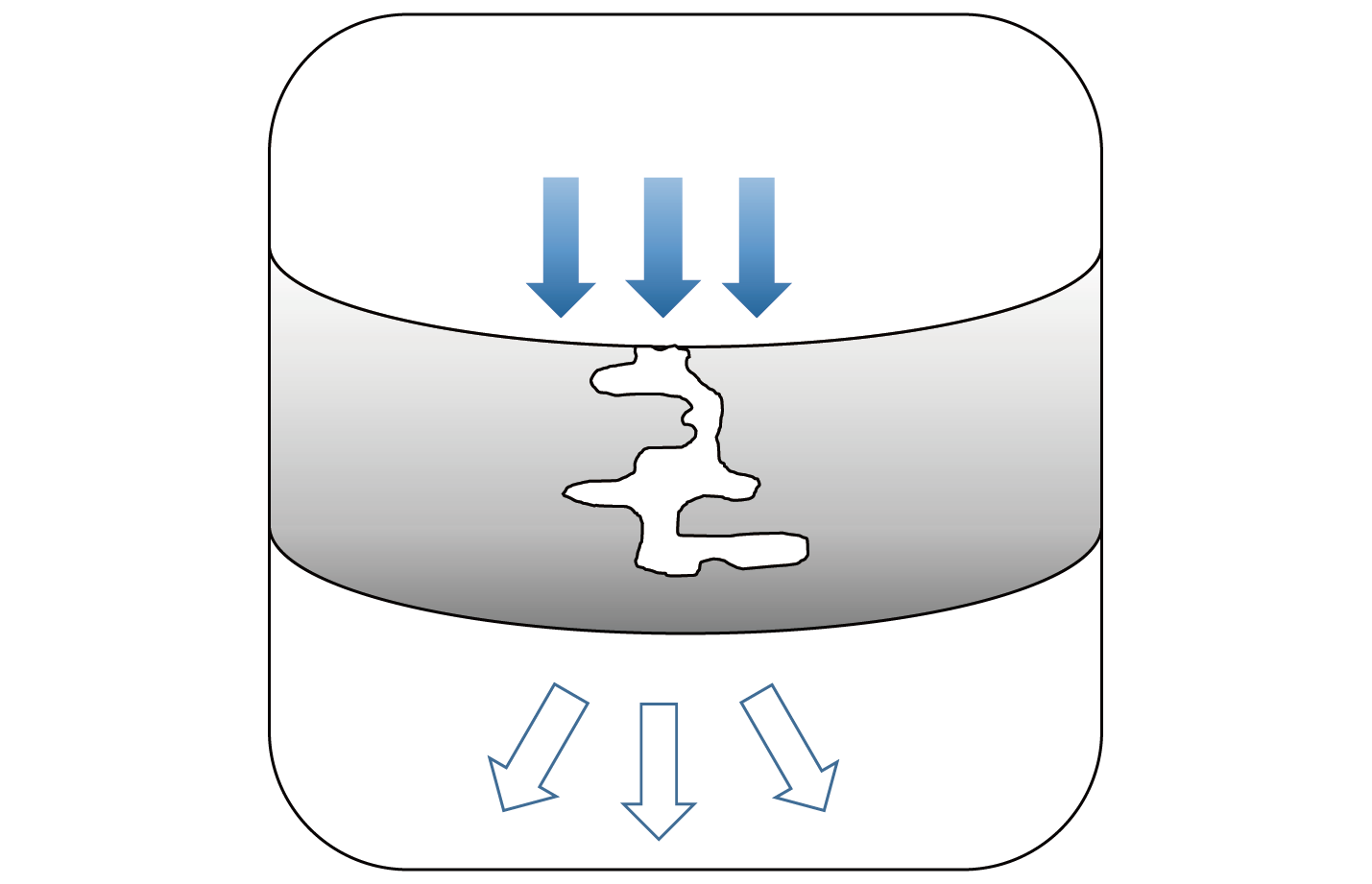
2.Prevent future risks through impregnation
Currently, the porosity is partial and has not penetrated through the material. Corrosion of the base material or subsequent processing may lead to leakage in the future.Applying an impregnation treatment is therefore essential to ensure the product's quality and long-term durability.
3.Post-process impregnation for isolated pores
The component contains isolated internal holes. Since these holes may become exposed during machining or other processes, it is recommended to apply impregnation treatment after processing.